
Shopify Dropshipping Infrastructure: What Breaks First at Scale
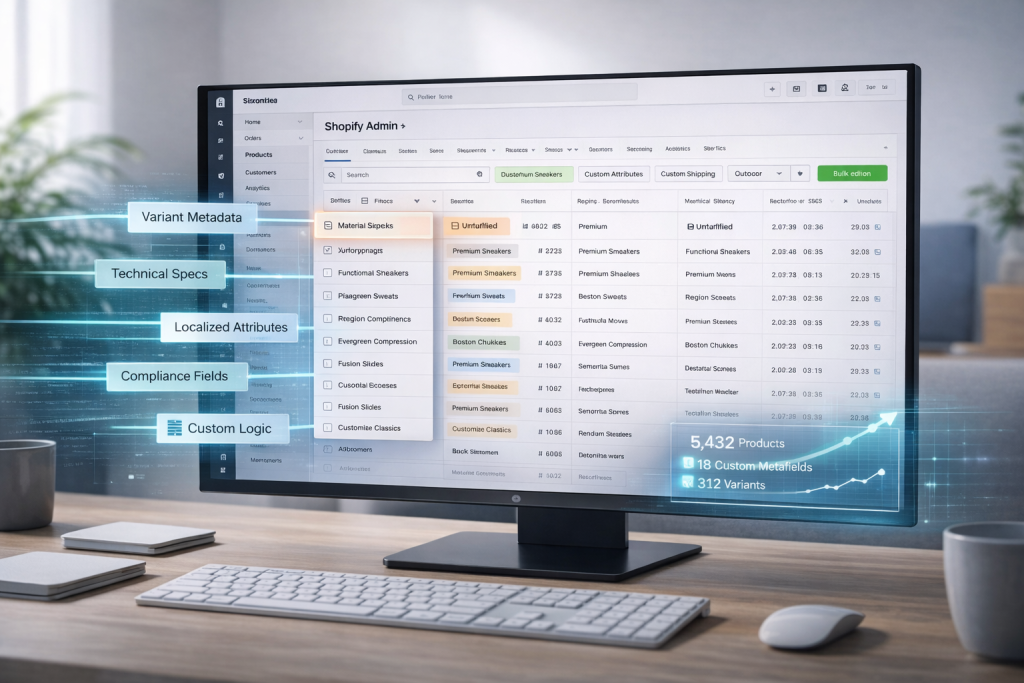
Dropshipping looks simple when you’re processing 5-20 orders per day. Products sync automatically. Tracking numbers update. Customers receive orders without intervention. Everything feels automated. But as shopify dropshipping operations scale to hundreds or thousands of orders per day, small inconsistencies turn into operational failures. Orders stop syncing. Inventory becomes inaccurate. Tracking updates fail. Customer support gets overwhelmed. Refunds and chargebacks increase. These failures are not random. They follow predictable patterns based on how dropshipping systems are built. As engineers who fix broken shopify dropshipping operations, we’ve seen the same failure points repeatedly. The issue isn’t Shopify itself it’s the fragile infrastructure built on top of it. Understanding what breaks first and why is the difference between scaling profitably and losing control of your business. Why Scale Exposes Hidden Dropshipping Infrastructure Problems At low volume, manual intervention masks system weaknesses. When something fails, someone fixes it manually. At scale, manual fixes stop working. If even 1% of orders fail to sync properly, that’s manageable at 20 orders per day. It becomes catastrophic at 2,000 orders per day. Common consequences include: The core issue is that most shopify dropshipping app ecosystems were designed for convenience, not operational resilience. Scale exposes that gap. What Breaks First in Shopify Dropshipping Infrastructure (Ranked) Not all failures happen at once. They tend to break in a predictable order. 1. Fulfillment Sync Failures The most common and damaging failure is fulfillment sync. Dropshipping relies on multiple systems communicating: When an order is placed in Shopify, it must be transmitted correctly to the supplier. At scale, failures occur due to: When fulfillment sync fails, orders remain unfulfilled without visibility. Customers experience delayed shipping. Support teams face complaints. Refund rates increase. This is the first major scaling bottleneck in dropshipping shopify scaling environments. 2. Inventory Accuracy Breakdown Inventory synchronization becomes unreliable as volume and supplier complexity increase. Most shopify dropshipping app tools sync inventory periodically not instantly. This creates windows where inventory appears available but isn’t. Common scenarios include: This leads to overselling, which triggers: Inventory accuracy is one of the most fragile parts of shopify dropshipping infrastructure. 3. Tracking Updates and Shipping Visibility Failures Tracking synchronization failures create customer trust problems. Typical flow: Failures happen when: Customers interpret missing tracking as fraud or shipping delay even when items are shipped. This significantly increases: Tracking reliability is essential for shopify dropshipping operations trust. 4. Customer Communication Automation Breakdowns Customer communication relies on automation triggered by events. Examples include: These workflows depend on accurate event sync. Failures cause: Customers assume their order is lost or mishandled. Communication reliability becomes critical as order volume increases. 5. Returns and Refund Processing Failures Returns handling becomes significantly more complex at scale. Dropshipping returns involve: Breakdowns occur when: These failures increase: Returns workflows are rarely automated well in standard shopify dropshipping app ecosystems. 6. Fraud and Risk Detection Failures Dropshipping stores attract fraud because of: Fraud detection failures result in: Fraud prevention tools must integrate properly with fulfillment logic. Otherwise, fraudulent orders ship before detection. This becomes costly quickly at scale. Root Causes Behind Dropshipping Infrastructure Failures These failures stem from structural weaknesses not individual app bugs. Vendor Variability Suppliers differ significantly in reliability. Common issues include: Dropshipping infrastructure is only as strong as its weakest supplier. This variability creates unpredictable system behavior. Tooling Sprawl and Fragmentation Most stores rely on multiple tools: Each tool adds complexity. More tools increase: Fragmentation is a major contributor to shopify order sync problems. Lack of Exception Handling Most automation handles ideal scenarios but not failures. When errors occur, systems often lack fallback mechanisms. Examples include: Failures silently accumulate. This creates operational risk. Weak Monitoring and Visibility Most dropshipping stores lack infrastructure monitoring. Teams cannot easily answer: Without visibility, failures persist unnoticed. This leads to operational chaos. Resilience Framework for Scalable Shopify Dropshipping Infrastructure Reliable shopify dropshipping operations require proactive system design. The following framework improves resilience significantly. 1. Monitoring and Failure Detection You cannot fix what you cannot see. Critical monitoring includes: Early detection prevents large-scale failures. Monitoring turns invisible failures into manageable issues. 2. Fallback and Retry Systems Reliable systems assume failure will happen. Resilience mechanisms include: Retries resolve many transient failures automatically. Fallbacks prevent operational disruption. 3. Supplier Reliability Management Not all suppliers perform equally. Track supplier performance metrics such as: Remove unreliable suppliers early. Supplier quality directly impacts infrastructure stability. 4. Workflow Ownership and Accountability At scale, unclear responsibility causes delays. Assign ownership for critical workflows: Ownership ensures failures are addressed quickly. 5. Transparency and Customer Communication Transparent communication reduces customer frustration. When delays occur: Transparency improves trust even during operational issues. Decision Framework: When to Replace Apps with Custom Infrastructure Most stores start with off-the-shelf tools. But at scale, custom workflows become necessary. Here’s how to know when to transition. Continue Using Standard Apps If: Standard tools work well at a smaller scale. Consider Custom Workflows If: These are clear signals of infrastructure limitations. Custom workflows improve: Move Toward Infrastructure Ownership When: Infrastructure ownership enables predictable scaling. Why Scaling Dropshipping Requires Infrastructure, Not Just Apps Apps simplify getting started. But scaling requires infrastructure thinking. Apps focus on convenience. Infrastructure focuses on reliability. Successful shopify dropshipping operations prioritize: Without infrastructure improvements, scaling increases risk not profit. The Hidden Cost of Fragile Dropshipping Systems Most dropshipping failures don’t appear as obvious system crashes. They appear as operational inefficiencies: These costs accumulate silently. Infrastructure resilience protects long-term profitability. The Right Approach to Scaling Shopify Dropshipping Successful scaling requires moving from tool dependency to system ownership. Focus on: Scaling successfully means building systems that handle failure gracefully. Not preventing failure entirely but managing it effectively. Shopify dropshipping doesn’t fail suddenly. It fails gradually through small synchronization errors, supplier inconsistencies, and automation gaps. These failures compound with scale. The stores that scale successfully are not the ones with the most apps. They are the ones with the most reliable infrastructure. Understanding what breaks first allows you to fix weaknesses before they become expensive problems. Dropshipping Infrastructure Audit