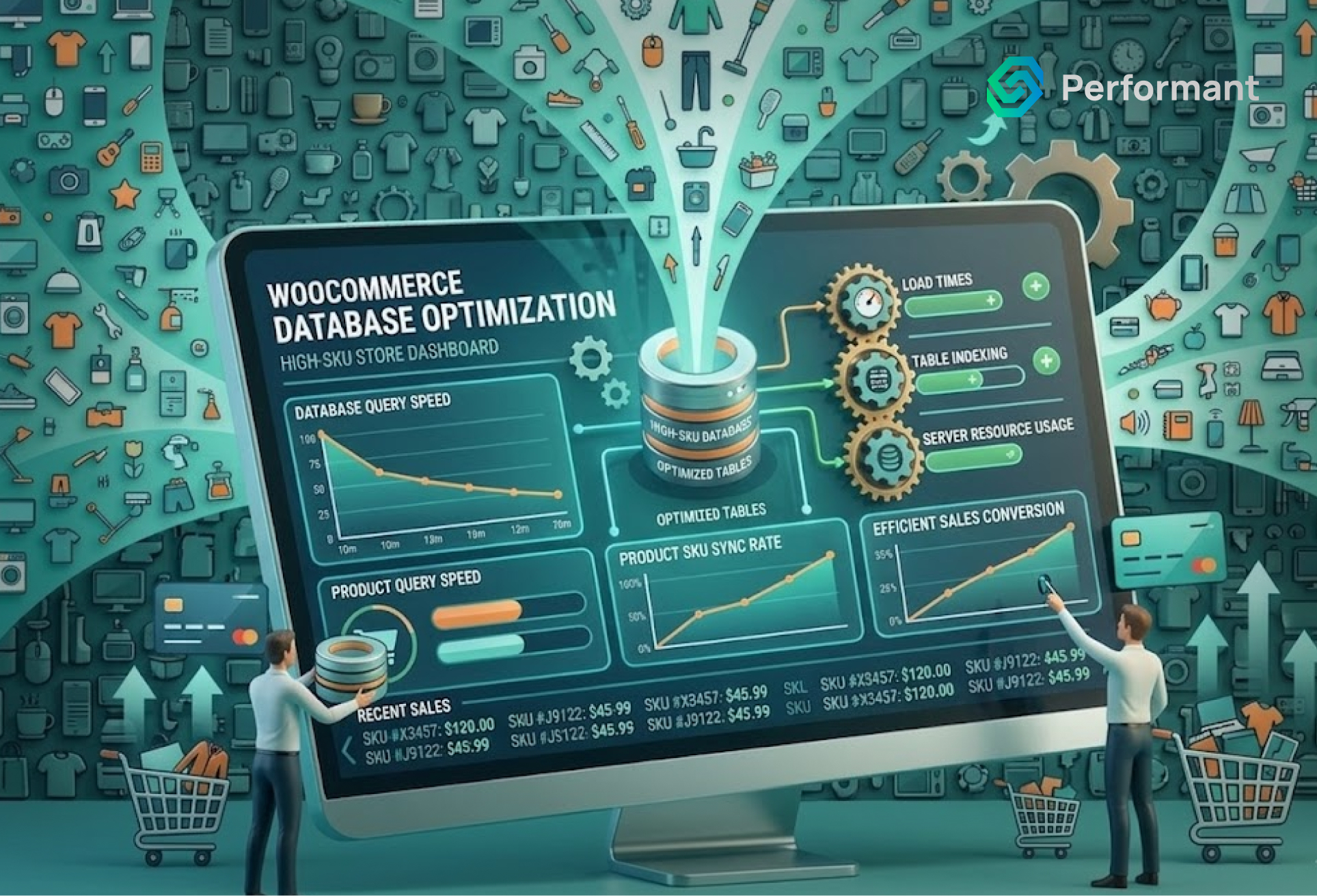
The conversation around shopify vs headless shopify usually begins when founders start feeling friction. The store may still be growing, but performance optimization feels harder. Merchandising becomes more complex. Product experiences begin pushing beyond what themes and apps comfortably support. At that stage, headless commerce often appears to be the next logical step.
Speed, control, and omnichannel expansion are usually the driving motivations. Founders want storefronts that feel more like software platforms than templated ecommerce sites. They want deeper integration across content, mobile, and international experiences. Many begin exploring headless solutions after consulting a shopify app development company or technical advisor who introduces architectural alternatives.
Sometimes that transition is justified. Often, it is not.
From the perspective of a technical advisor who has implemented both traditional Shopify storefronts and full headless shopify architecture deployments, the biggest challenge is not technical implementation. The challenge is helping founders separate genuine architectural requirements from assumptions influenced by industry narratives.
Headless Shopify is powerful. But it is not an automatic upgrade. It is a trade-off.
Why Founders Consider Headless Shopify
Most founders begin exploring headless Shopify when they encounter perceived limitations in traditional storefront architecture. These motivations usually fall into three categories.
Performance Expectations
Headless storefronts are often associated with faster load speeds and better user experiences. Case studies frequently highlight brands that achieved dramatic improvements after moving to headless builds, creating the perception that performance gains are guaranteed.
While headless shopify performance can outperform standard storefronts, those gains only occur under specific conditions. Many performance problems originate from app overload, media optimization issues, or inefficient theme customization rather than platform limitations.
Control and Custom Experience Design
As brands mature, they often want to create differentiated shopping journeys. Product configurators, interactive storytelling, and highly personalized content are examples of experiences that push Shopify’s native rendering model to its limits.
Headless Shopify allows teams to design frontend experiences without theme constraints, offering greater creative and technical flexibility.
Omnichannel Commerce Requirements
Brands expanding into mobile apps, global content platforms, or retail integrations frequently evaluate headless commerce shopify strategies. A decoupled architecture allows multiple customer experiences to operate from a single commerce backend.
These motivations are legitimate. But they do not automatically justify the complexity headless introduces.
What Headless Shopify Actually Solves
Headless Shopify separates storefront presentation from Shopify’s backend commerce engine. Shopify continues managing catalog, checkout, payments, and order processing while the frontend is built independently.
This architecture solves several specific challenges.
Advanced Experience Customization
Headless enables storefront experiences that behave like applications rather than traditional websites. This is especially valuable for brands offering complex products, bundled services, or deeply interactive purchase journeys.
Multi-Frontend Commerce Infrastructure
A single Shopify backend can support multiple frontends, including websites, mobile apps, and embedded shopping experiences. For brands managing global or multi-channel ecosystems, this architectural flexibility can be transformative.
Independent Frontend Development
Headless storefronts allow frontend teams to deploy updates independently from Shopify theme workflows. For organizations with mature product teams, this can accelerate innovation when managed effectively.
However, founders often misunderstand what headless does not solve.
What Headless Shopify Does NOT Solve
One of the most common misconceptions in the shopify vs headless shopify discussion is the belief that headless automatically improves overall business performance.
Headless does not inherently:
- Increase conversion rates
- Eliminate reliance on third-party integrations
- Reduce technical complexity
- Lower operational costs
- Guarantee faster storefront performance
Instead, headless shifts responsibility. Shopify handles commerce infrastructure, but storefront performance, hosting reliability, and frontend stability become the responsibility of your internal or external engineering team.
Many founders first encounter this reality after engaging a shopify app development company to build headless storefronts and discovering that long-term operational ownership is significantly larger than expected.
Performance Comparison: Traditional Shopify vs Headless Shopify
Performance is usually the first comparison founders evaluate, but it requires careful interpretation.
Traditional Shopify Performance
Shopify storefronts benefit from highly optimized hosting, global content delivery, and integrated caching infrastructure. When themes are engineered correctly and apps are managed strategically, traditional Shopify can deliver strong Core Web Vitals and fast page load speeds.
Most performance issues arise from:
- Excessive third-party scripts
- Unoptimized media assets
- Poor theme architecture
- Overlapping app functionality
In these scenarios, rebuilding the storefront architecture rarely solves root performance problems.
Headless Shopify Performance
Headless storefronts allow teams to control rendering strategies, caching layers, and asset optimization at a granular level. This flexibility enables advanced performance tuning and scalability strategies.
However, headless environments also introduce new risks. Poorly implemented headless storefronts often perform worse than optimized Shopify themes because performance optimization becomes the responsibility of development teams rather than the platform.
Development Complexity
Complexity is where traditional and headless Shopify diverge significantly.
Traditional Shopify Development
Shopify’s integrated ecosystem reduces engineering overhead. Checkout infrastructure, hosting reliability, platform updates, and security compliance are largely handled by Shopify.
This allows teams to focus primarily on growth, merchandising, and customer experience optimization.
Headless Shopify Development
Headless storefronts introduce distributed architecture that requires managing:
- Frontend application frameworks
- API communication layers
- Hosting and infrastructure scaling
- Deployment and version control workflows
- Monitoring and observability systems
The shopify headless drawbacks here are operational, not theoretical. Every integration introduces potential failure points, testing complexity, and long-term maintenance responsibilities.
Cost and Maintenance
Cost comparisons between traditional Shopify and headless builds are often underestimated during early decision phases.
Traditional Shopify Cost Structure
Standard Shopify storefronts typically involve predictable investments:
- Theme customization or development
- App subscriptions
- Periodic performance optimization
- Platform subscription costs
Ongoing maintenance remains manageable because Shopify absorbs platform-level evolution.
Headless Shopify Cost Structure
Headless implementations introduce both upfront and continuous operational costs, including:
- Custom frontend development
- Infrastructure hosting and scaling
- Continuous integration maintenance
- Performance monitoring and optimization
- Security and compliance oversight
- Dedicated engineering resources
Many brands remain dependent on a shopify app development company long after launch because headless architecture requires specialized maintenance expertise.
Operational Overhead
Operational workflows change dramatically after moving to headless Shopify.
Traditional Shopify Operations
Marketing and merchandising teams can execute promotions, update content, and modify storefront experiences with minimal developer involvement. This enables rapid experimentation and iteration.
Headless Shopify Operations
Headless storefronts frequently require engineering involvement for changes that would normally be handled within Shopify’s theme environment. Marketing teams often rely on development resources for layout changes, performance improvements, and feature rollouts.
For growth-driven brands, this operational dependency can slow experimentation velocity.
Common Founder Misconceptions About Headless Commerce
Across architecture consultations, several misconceptions consistently influence headless adoption decisions.
Headless Equals Enterprise Capability
Enterprise capability depends on operational maturity, not architecture alone. Many high-revenue Shopify stores continue operating successfully on traditional storefronts because their workflows align with Shopify’s strengths.
Headless Automatically Improves SEO
Search performance depends on content quality, crawl structure, and page speed optimization. Headless storefronts can improve SEO when implemented correctly, but they can also introduce crawl complexity and indexation challenges.
Revenue Growth Requires Headless Architecture
Growth increases operational complexity, but it does not necessarily require architectural decoupling. Business model requirements not revenue scale should drive architecture decisions.
When to Use Headless Shopify
Understanding when to use headless shopify requires evaluating business requirements rather than following industry trends.
Headless Shopify is often justified when:
The Storefront Requires Product-Like Interactions
Brands delivering configurators, interactive bundling experiences, or advanced personalization frequently require frontend flexibility that exceeds theme capabilities.
Commerce Must Support Multiple Frontends
Organizations managing mobile applications, international content hubs, or multi-platform distribution benefit from centralized commerce logic powering distributed user experiences.
Real-Time System Integrations Are Core to Operations
Some businesses rely on deep integration between commerce infrastructure, inventory systems, content management, and operational platforms. Headless architecture provides greater orchestration control in these scenarios.
The Organization Has Mature Technical Ownership
Headless storefronts require ongoing architectural stewardship. Without strong technical leadership, complexity accumulates quickly.
When Headless Shopify Is the Wrong Decision
Headless becomes unnecessary complexity when it is chosen as a perceived upgrade rather than a functional requirement.
Headless Shopify is usually the wrong choice when:
- Marketing agility drives growth strategy
- The business relies heavily on third-party Shopify apps
- Internal technical leadership is limited
- Performance issues originate from app or theme inefficiencies
- Product roadmap requirements remain uncertain
In these scenarios, rebuilding architecture often increases cost and slows growth rather than improving scalability.
A Practical Decision Framework
Founders evaluating shopify vs headless shopify should apply structured evaluation criteria before committing to architectural change.
Identify the True Technical Bottleneck
Determine whether performance or flexibility limitations originate from Shopify architecture or from implementation inefficiencies.
Evaluate Differentiation Requirements
Assess whether the brand’s experience goals require frontend capabilities that Shopify themes realistically cannot support.
Assess Operational Readiness
Evaluate whether internal teams or external partners can sustain distributed architecture long-term.
Analyze Total Cost of Ownership
Compare ongoing maintenance, staffing, and infrastructure requirements against measurable business impact.
Align Architecture With Product Strategy
Headless adoption should support clearly defined roadmap requirements rather than speculative future expansion.
Founders who apply these criteria objectively often discover that traditional Shopify remains the correct solution longer than expected.
The Difficulty of Reversing Headless Decisions
One of the least discussed realities of headless Shopify adoption is reversibility. Transitioning to headless architecture requires significant development investment. Reverting back to traditional Shopify after launch is even more complex and costly.
This is why architecture decisions must prioritize long-term operational sustainability rather than short-term experimentation.
A Balanced Perspective on Shopify vs Headless Shopify
The shopify vs headless shopify conversation is not about choosing modern versus outdated technology. It is about selecting the operational model that aligns with business requirements.
Traditional Shopify prioritizes reliability, simplicity, and speed of iteration.
Headless Shopify prioritizes flexibility, customization, and architectural control.
Both approaches succeed when aligned with real business constraints. Both introduce risk when chosen based on assumptions rather than operational clarity.
A Practical Next Step
Headless architecture can unlock powerful commerce capabilities for the right business model. It can also introduce complexity that slows growth when implemented prematurely.
Before committing to a rebuild, a Headless Feasibility & Architecture Audit helps founders evaluate technical requirements, operational readiness, and long-term sustainability. Many brands consult a shopify app development company during this evaluation phase to gain independent architectural perspective before making irreversible platform decisions.
For founders navigating long-term platform strategy, clarity before rebuilding is often the most valuable investment they can make.
Conclusion
Choosing between traditional Shopify and headless architecture is ultimately a strategic business decision, not just a technical one. The debate around shopify vs headless shopify often becomes polarized, but the reality is far more nuanced. Headless can unlock powerful customization, omnichannel flexibility, and advanced frontend control when business requirements genuinely demand it. However, it also introduces operational complexity, higher maintenance costs, and long-term development ownership that many growing brands underestimate. For a large number of stores, optimizing theme architecture, reducing app dependency, and improving performance strategy can deliver significant gains without the risk of a full rebuild. This is why many founders consult a shopify app development company or technical advisor before committing to architectural changes. The right decision is the one aligned with your growth roadmap, internal capabilities, and customer experience goals. Clarity, not trend adoption, is what ultimately determines whether headless becomes a competitive advantage or an unnecessary operational burden.
Scale Faster With Confidence. Get a Free Shopify and Web Architecture Review From Performantcode.io Experts. Identify Hidden Performance Risks, Technical Debt, Cost Leaks, and Growth Blockers Before They Impact Conversions, Revenue, or Scalability.