The Cost That Grows While You Are Looking Elsewhere
WooCommerce is, by almost any measure, a remarkable piece of software. It is free to install, infinitely flexible, and powers a significant proportion of the world’s eCommerce stores. But the price of that flexibility is a maintenance burden that is genuinely unlike anything a managed platform imposes and one that tends to grow in complexity and cost as the store matures, often requiring ongoing support from woocommerce development services.
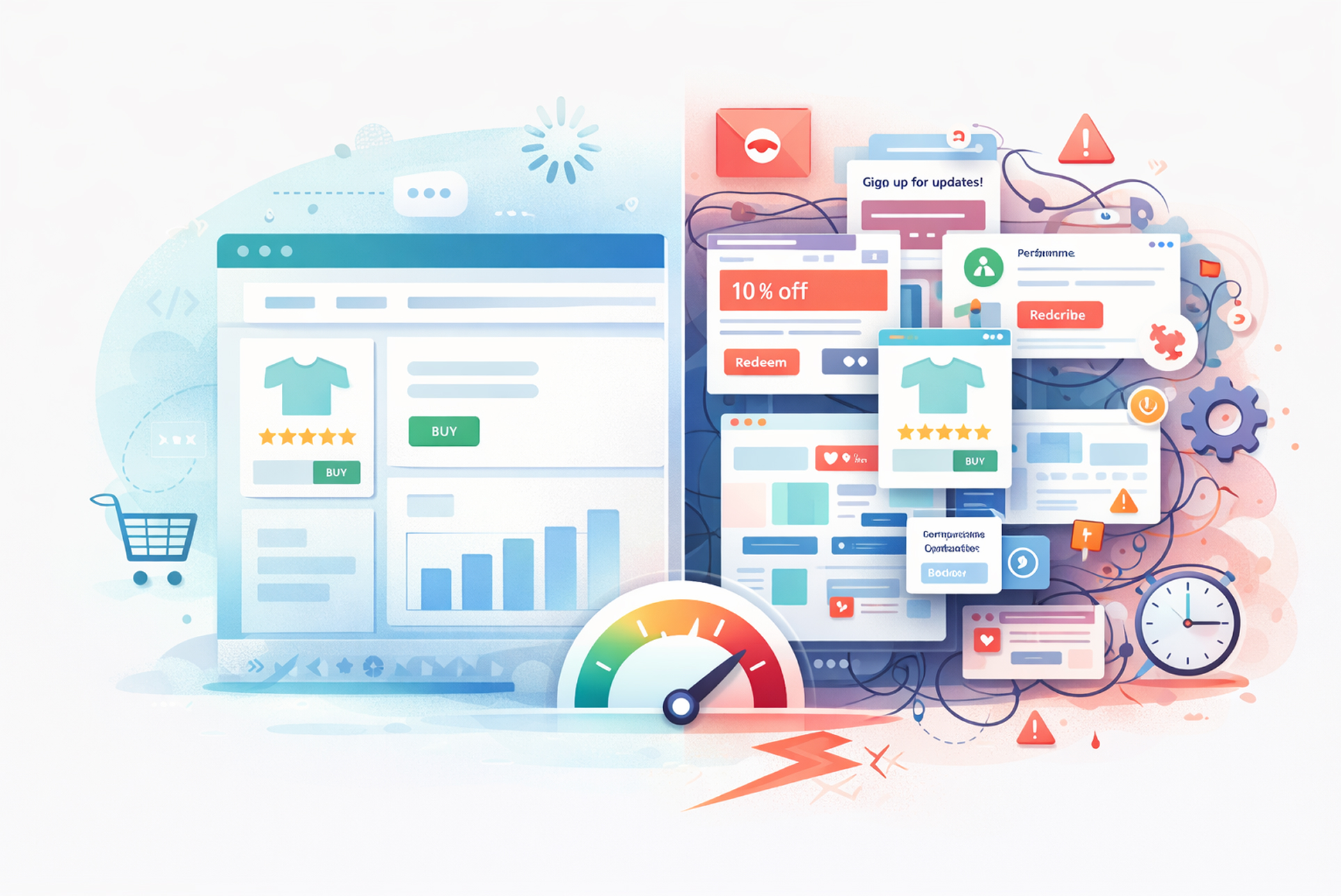
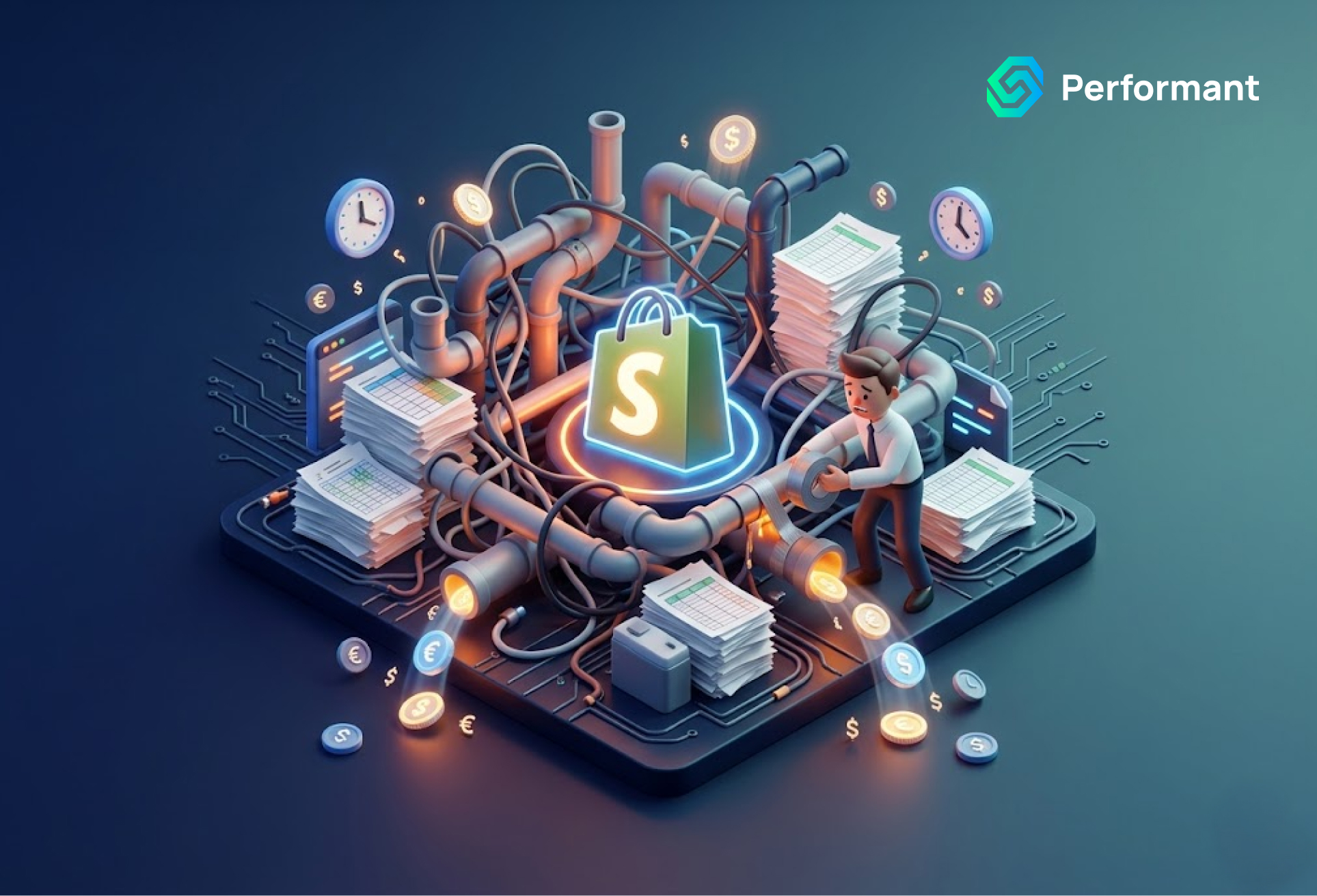
The business owners who feel this most acutely are not those running small, simple stores. They are the ones who have been operating on WooCommerce for three, four, or five years, who have accumulated a plugin stack that has grown organically rather than architecturally, who are paying for hosting infrastructure that no longer matches their traffic profile, whose development costs have gradually increased as the system has become more complex, and who find that what once felt like a lean, controllable platform now feels like an unpredictable operational liability.
If that description resonates, the question worth asking is not whether you should accept these costs as the permanent price of operating on WooCommerce. It is what structural decisions architectural, operational, and strategic decisions can reduce them materially and sustain that reduction over time.
This article addresses that question directly. Not through a list of quick fixes, but through the kind of systematic thinking that produces durable results.
Understanding Where WooCommerce Maintenance Costs Actually Come From
Before costs can be reduced intelligently, they need to be understood precisely. WooCommerce maintenance costs are not a single line item. They are an aggregate of several distinct cost categories that compound on each other in ways that are easy to underestimate.
The first category is hosting infrastructure. WooCommerce is self-hosted, meaning you own the responsibility for the server environment your store runs on. As your store grows — in product count, traffic volume, and transaction frequency the hosting requirements grow with it. A store that ran adequately on a shared hosting plan in its first year may require a dedicated server or managed cloud infrastructure within three years. That progression is not a failure; it is growth. But the cost trajectory needs to be actively managed rather than allowed to drift upward passively.
The second category is plugin licensing and management. The average mature WooCommerce store runs between fifteen and thirty plugins. Each has an annual licensing cost. Each requires updates. Each introduces a potential point of conflict with other plugins or with WooCommerce core updates. The collective annual licensing cost of a well-equipped WooCommerce plugin stack frequently reaches several thousand dollars, a figure that surprises business owners who think of individual plugin costs as small. The management overhead of keeping that stack updated, tested, and conflict-free adds further cost in developer time.
The third category is security maintenance. WooCommerce, as an open-source platform running on WordPress, is among the most targeted codebases in the world. Security vulnerabilities are discovered and disclosed regularly across the ecosystem. Responding to those vulnerabilities patching, updating, monitoring, and in worst cases recovering from compromise requires either dedicated internal capability or ongoing professional support. The cost of a security incident, including potential data breach liability, customer notification obligations, and reputational damage, is orders of magnitude higher than the cost of the maintenance that prevents it.
The fourth category is development time for compatibility and update management. When WooCommerce releases a major version update, or when WordPress core makes significant changes, or when a hosting environment requires migration, the custom code on your store needs to be tested and in many cases updated to maintain compatibility. If your store has been built with significant customization functionality that requires bespoke development that compatibility work is a recurring cost with no natural ceiling.
The Architectural Decisions That Drive Long Term Cost
Here is an insight that most WooCommerce cost conversations miss: the majority of long-term maintenance cost is determined not by operational decisions made month to month, but by architectural decisions made when the store was first built or significantly modified. The way your store was architected largely determines how expensive it is to maintain.
Stores built with excessive plugin dependency where core commercial functionality is delivered through a large stack of third-party plugins rather than through carefully chosen, purpose-built components accumulate maintenance cost structurally. Each plugin added to the stack is a recurring license, a recurring update obligation, and a potential source of conflict. The more of them there are, the higher the collective cost and the more complex the environment becomes to manage.
Stores built with heavy customization applied directly to plugin files or WordPress core files rather than through proper child themes, hooks, and custom plugin architecture accumulate a different kind of technical debt. Each WordPress or WooCommerce update becomes a potential breaking change for those direct modifications, requiring developer intervention to reconcile the update with the customizations. Over three or four years of updates, this intervention cost compounds significantly.
Stores built without a clear hosting strategy where the server environment has been scaled reactively rather than planned tend to overpay for infrastructure that is not correctly provisioned for their actual traffic patterns, or underpay and then experience performance degradation at precisely the moments when performance matters most.
The implication is that meaningful long-term cost reduction often requires addressing root causes rather than symptoms. That may mean a partial or full rebuild of the store’s technical architecture, a significant short-term investment that reduces the ongoing cost base materially. Businesses that have worked with professional WooCommerce development services to audit and restructure their existing architecture frequently find that the restructuring pays for itself within twelve to eighteen months through reduced development overhead and eliminated plugin licensing costs.
Practical Strategies for Reducing Ongoing Costs
With the structural context established, several practical strategies can deliver meaningful and sustained maintenance cost reduction.
Rationalise the Plugin Stack Deliberately.
Take a full inventory of every plugin currently installed on your store active and inactive. For each, document what it does, what it costs annually, and whether an alternative approach could deliver the same functionality with fewer plugins or lower licensing cost. Many mature WooCommerce stores carry plugins that were installed to solve a specific problem years ago and whose function has since been superseded by other plugins or by WooCommerce core features. Eliminating redundant plugins reduces licensing cost, reduces update management overhead, and reduces the surface area for conflicts and vulnerabilities.
There are also cases where multiple plugins delivering related functionality can be replaced by a single, well-architected custom solution. A business paying for separate plugins to handle product bundles, custom pricing rules, and B2B account management might find that a single custom module built once by a competent developer eliminates three annual licensing fees while delivering more precise functionality and eliminating the conflict risk between those three plugins.
Invest in Correct Hosting Architecture.
Hosting is not a cost to minimize it is infrastructure to right-size. An underpowered hosting environment for a high-traffic WooCommerce store costs significantly more in lost performance and developer intervention than the difference between adequate and superior hosting. At the same time, many businesses are paying for over-provisioned infrastructure that made sense at an earlier stage of growth but no longer matches their actual requirements.
A proper hosting review assessing your actual traffic patterns, your peak load characteristics, your caching configuration, and your database performance will frequently identify either savings available through right-sizing or performance improvements available through better configuration. Managed WooCommerce hosting providers who specialize in WordPress and WooCommerce environments often deliver materially better performance per dollar than generic cloud infrastructure configured by a non-specialist.
Establish a Structured Update Management Process.
The cost of unmanaged updates where plugins and WooCommerce core are updated without testing, or where updates are deferred so long that catching up requires significant development work is consistently higher than the cost of managed updates applied systematically. A process that stages updates in a testing environment before applying them to the live store, verifies functionality after each update cycle, and maintains a documented changelog of what has been updated and when, reduces both the risk and the remediation cost associated with update management.
This is not a complex process to establish, but it does require consistent discipline to maintain. Many businesses that manage their own WooCommerce maintenance find that establishing this process and adhering to it is one of the highest-return investments they can make in reducing their ongoing cost base.
Treat Security Proactively Rather Than Reactively.
The cost of a reactive response to a security incident is dramatically higher than the cost of the preventive maintenance that avoids it. Core security hygiene for WooCommerce keeping WordPress, WooCommerce, themes, and plugins updated, enforcing strong authentication on all administrative accounts, using a web application firewall, monitoring for unusual activity, and maintaining regular off-site backups is not expensive. It is a defined set of tasks that can be systematized and either handled internally or delegated to a maintenance retainer with a qualified development partner.
The Build-Once, Maintain-Efficiently Principle
Underlying most of the cost reduction strategies described here is a single principle that deserves explicit statement: the most effective way to reduce WooCommerce maintenance costs long-term is to build correctly the first time and then maintain what was built with discipline.
Stores that were built with architectural care using minimal, well-chosen plugins, proper customization methodology, appropriate hosting infrastructure, and documented code cost a fraction of the maintenance overhead of stores that were built quickly without those considerations. The accumulation of technical debt is a silent cost multiplier that most businesses do not recognize until it has become substantial.
For businesses already carrying significant technical debt, the path to lower maintenance costs often runs through a structured remediation project. This is not a pleasant recommendation to receive — it means investing in the store’s technical foundation rather than in visible commercial features. But the economics are clear. A store that costs $3,000 per month in aggregate maintenance, hosting, licensing, and developer time to keep operational might cost $15,000 to restructure correctly and $800 per month to maintain thereafter. The payback period is less than a year, and the benefit extends indefinitely.
Professional WooCommerce development services that include architecture review and technical debt assessment as a service offering provide the clearest path to understanding your current cost structure and the specific interventions that would reduce it most materially. The assessment itself is a worthwhile investment not because it necessarily leads to a rebuild, but because it replaces assumptions with data about where your maintenance costs are actually coming from and what their drivers are.
The Strategic Framing Business Owners Need
WooCommerce maintenance is not an IT budget line. It is a business operating cost that directly affects your profitability and your capacity to invest in growth. Every dollar spent on avoidable maintenance overhead is a dollar not spent on marketing, on inventory, on customer experience, or on the capabilities that distinguish your business competitively.
The business owners who manage this cost most effectively are those who treat their store’s technical infrastructure as a managed asset, something that requires periodic review, deliberate investment in improvement, and ongoing professional stewardship rather than as a background operational expense that is simply accepted as a fixed cost of doing business online.
WooCommerce can be operated efficiently at a significant scale. The stores that do so are not the ones that found the cheapest way to get by they are the ones that made the right architectural decisions early, maintained discipline in their update and plugin management, and engaged professional WooCommerce development services at the right moments to ensure that the platform continued to serve their business rather than constrain it.
The long-term cost of operating a WooCommerce store is, more than most business owners realize, a choice. Make it deliberately.
Conclusion
Reducing WooCommerce maintenance costs is not about cutting corners, it’s about making smarter structural decisions that compound over time. From rationalizing your plugin stack to optimizing hosting and enforcing disciplined update processes, the biggest savings come from addressing root causes rather than surface-level fixes. Businesses that take a proactive approach often with the support of experienced WooCommerce development services consistently operate with lower overhead and greater stability. If your store feels increasingly complex and expensive to maintain, it’s a signal to reassess, not to accept the cost as inevitable. Take the next step: audit your current setup, identify inefficiencies, and implement a long-term optimization plan. A well-structured store doesn’t just cost less to run, it gives you more room to grow.
Audit your WooCommerce store today with expert Woocommerce Development Services and uncover hidden costs, reduce maintenance overhead, and build a scalable foundation for growth.