The Honest Conversation Most Agencies Avoid
WooCommerce is an impressive piece of software. It has earned its position as one of the most widely deployed eCommerce platforms in the world through genuine capability, a flexible, extensible architecture that can be configured to handle an enormous range of commercial requirements. For the right business in the right circumstances, it is an excellent foundation.
But it is not the right foundation for every business. And the conversation about when WooCommerce is the wrong choice rarely happens with the clarity it deserves. Most WooCommerce development services providers agencies and independent developers alike have an obvious commercial interest in recommending the platform broadly rather than calibrating their recommendation to the specific needs of each client.
This article is written for business owners who are either evaluating WooCommerce as a platform for a new store, or who are currently operating on WooCommerce and are beginning to suspect that the platform may be constraining rather than enabling their growth. The goal is not to dismiss WooCommerce as it has real and significant strengths but to be honest about the circumstances in which those strengths do not outweigh its costs and complexities, and where a different platform would serve the business better.
Understanding What WooCommerce Actually Is
Before examining its limitations, it is worth being precise about what WooCommerce is, because much of the confusion around platform selection stems from a misunderstanding of its nature.
WooCommerce is not a standalone eCommerce platform. It is a plugin for WordPress, the world’s most widely used content management system. This distinction is commercially significant. When you build a store on WooCommerce, you are not simply choosing an eCommerce platform. You are choosing to operate your store within a WordPress environment, which means inheriting WordPress’s architecture, its hosting requirements, its security profile, its update cadence, and its operational characteristics alongside WooCommerce’s own.
This is neither good nor bad in the abstract. WordPress is powerful, and for businesses whose eCommerce operation is deeply integrated with a content strategy where editorial publishing, SEO content production, and commerce are genuinely intertwined the WordPress foundation delivers capabilities that pure eCommerce platforms cannot match natively. For businesses whose primary operation is commerce rather than content, however, the WordPress layer adds complexity without a commensurate return.
The correct question is not whether WooCommerce is a good platform. It is whether WooCommerce is the right platform for your specific business model, operational requirements, and growth trajectory.
When the Self-Hosted Model Works Against You
The defining characteristic of WooCommerce is that it is self-hosted. Unlike Shopify or BigCommerce, which host your store on managed infrastructure and take responsibility for server performance, security patching, and platform updates, WooCommerce requires you or someone working on your behalf to manage the hosting environment your store runs on.
For businesses with genuine technical resources and a specific reason to require the control that self-hosting provides, this is an acceptable trade-off. For the majority of business owners who simply want a reliable, high performing online store without the operational overhead of infrastructure management, it is a burden that grows progressively heavier as the store scales.
Hosting a WooCommerce store that performs well at meaningful traffic volumes is not a matter of choosing a cheap shared hosting plan and pointing your domain at it. It requires a correctly provisioned server environment, appropriate caching configuration, a content delivery network, database optimization, and ongoing monitoring. As your store grows in product count, traffic volume, and transaction frequency the hosting requirements grow with it. Each growth milestone brings a new infrastructure decision, a new cost, and a new opportunity for performance degradation if the decision is made incorrectly.
Businesses that have invested in professional WooCommerce development services to build and maintain their stores over multiple years often find that the hosting and infrastructure management component of their total platform cost grows disproportionately as the store scales becoming a meaningful operational overhead that a managed platform like Shopify would handle automatically and at lower effective cost.
The Plugin Dependency Problem
WooCommerce’s extensibility through plugins is frequently cited as one of its primary advantages. The plugin ecosystem is vast, covering virtually every conceivable eCommerce function. And for businesses with standard requirements, this ecosystem provides quick, affordable access to functionality that would otherwise require custom development.
The problem is structural rather than incidental: a WooCommerce store’s capability is only as reliable as the plugins it depends on. Each plugin added to the stack is a dependency on the plugin developer’s maintenance commitment, on their compatibility with WooCommerce core updates, on their security practices, and on their continued commercial viability. Plugin developers discontinue products, change pricing models, fall behind on compatibility updates, and introduce vulnerabilities. Any of these events can affect a store that depends on their software.
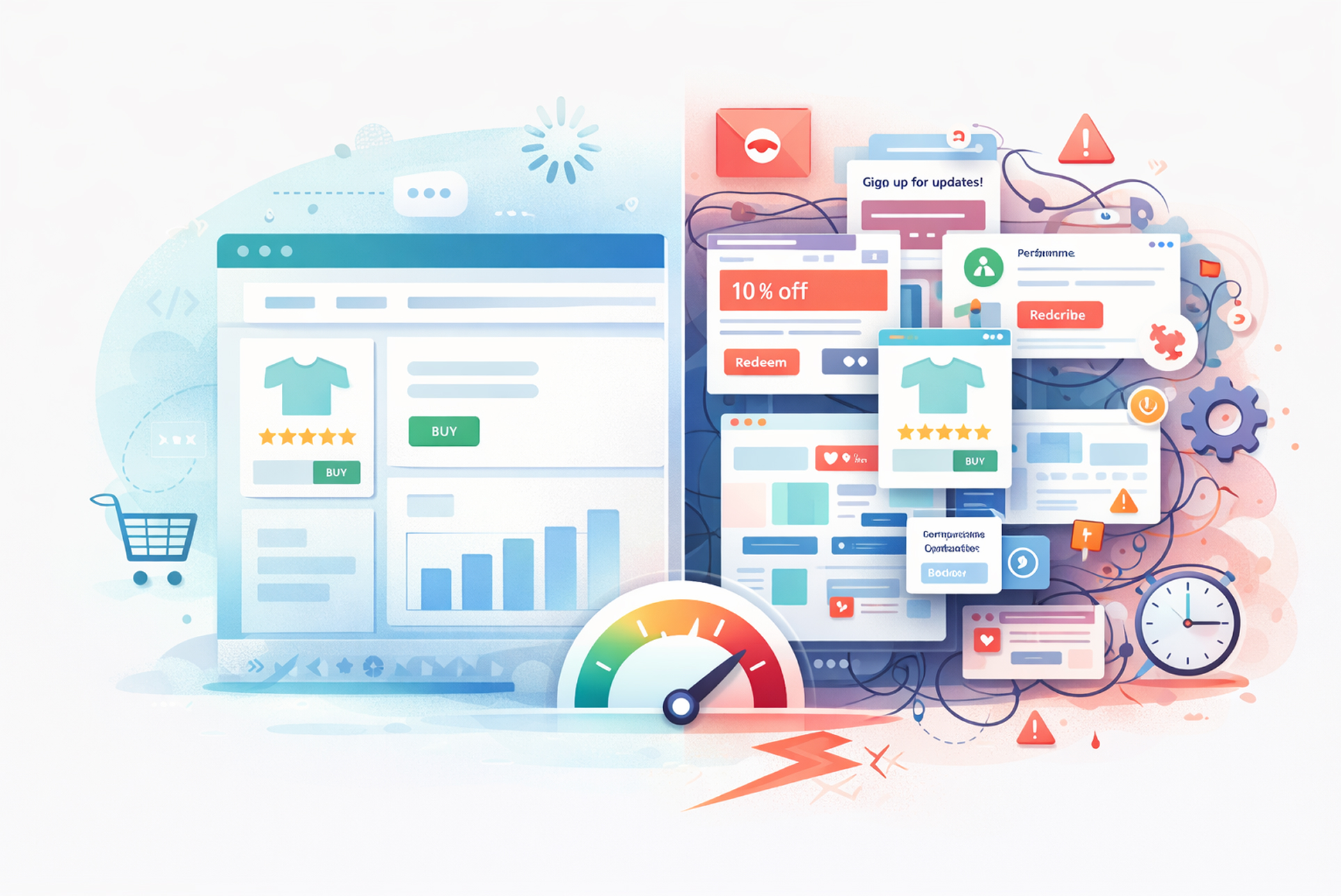
More practically, plugin conflicts are a persistent operational reality for mature WooCommerce stores. As the plugin stack grows and it does grow, organically, as new capabilities are added over time the interactions between plugins become increasingly complex and unpredictable. A WooCommerce core update that a plugin developer has not yet accommodated can break a store’s checkout. A security patch applied to one plugin can introduce a conflict with another. Diagnosing these conflicts requires technical expertise and time that most business owners do not have available, and the cost of resolving them through a developer adds up materially over the course of a year.
For businesses running stores with fifteen or more plugins which is not unusual for a mature WooCommerce installation the collective maintenance burden of the plugin stack represents a significant and largely unavoidable ongoing cost. This is a circumstance where the economics of a managed platform, which handles these compatibility and maintenance responsibilities internally, begins to compare favorably.
When Your Team Cannot Support the Technical Demands
WooCommerce rewards businesses that have access to capable technical resources either a skilled internal team or a reliable external development partner. It does not reward businesses that do not. The gap between what WooCommerce can do and what a non-technical operator can manage independently is wide, and it widens as the store becomes more complex.
Updates need to be managed carefully, tested before application, and occasionally reconciled with custom code. Security vulnerabilities need to be monitored and patched promptly. Performance issues need to be diagnosed at the server, application, and database level. Custom functionality needs to be maintained as the underlying platform evolves. None of these tasks is exceptionally complex for someone with the right background. All of them are genuinely difficult for a business owner whose expertise is in their product, their market, and their customers rather than in web technology.
The honest implication is that WooCommerce, operated without adequate technical support, tends toward progressive degradation. Updates get deferred because no one is available to manage them safely. Performance issues are tolerated because no one is available to diagnose them. Security vulnerabilities persist because no one is monitoring them. The store continues to function, but its performance, security, and reliability deteriorate gradually in ways that have real commercial consequences: slower page loads, higher bounce rates, vulnerability to attack that are difficult to attribute clearly to the platform management deficit that caused them.
For business owners in this position, the question is not whether WooCommerce is capable. It is whether their specific operational context allows them to realize that capability, or whether the platform’s demands are simply exceeding what their team can sustainably provide.
The Total Cost of Ownership Calculation
One of the most persistent misconceptions about WooCommerce is that it is inexpensive. WooCommerce itself is free to install. The cost of running it is not.
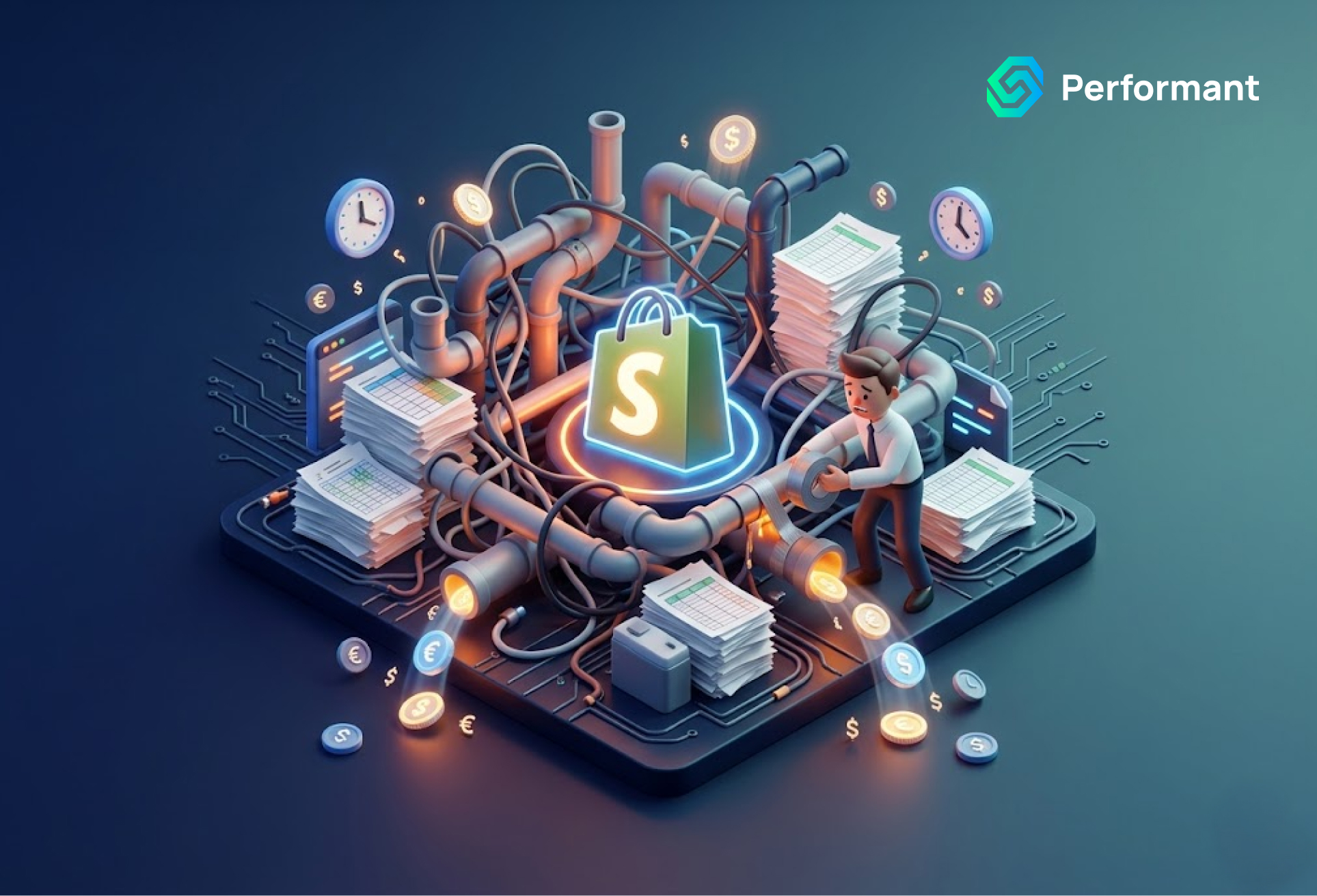
The true cost of a WooCommerce store includes hosting infrastructure, plugin licensing, security monitoring tools, backup solutions, performance optimization, developer time for updates and maintenance, developer time for compatibility management, and the cost of incidents, security compromises, performance failures, update-related breakages when they occur. For a mature, well maintained WooCommerce store at a meaningful commercial scale, these costs aggregate to a figure that frequently exceeds the equivalent cost of operating on a managed platform.
This does not mean WooCommerce is always the more expensive option. For businesses where the flexibility and control WooCommerce provides are genuinely required where the custom development capability it enables delivers commercial value that a managed platform cannot replicate, the total cost of ownership calculation may still favor WooCommerce. The value delivered by that flexibility justifies the cost of maintaining it.
For businesses where that flexibility is theoretical rather than utilized where the store’s actual requirements could be met equally well by a managed platform’s standard capabilities the cost of maintaining a self-hosted WooCommerce environment is overhead without a corresponding return. Professional WooCommerce development services can perform a genuine total cost of ownership assessment that surfaces this comparison clearly, and many business owners who undertake that analysis discover that the cost differential is larger than they assumed.
The Situations Where WooCommerce Is Genuinely the Right Choice
Fairness requires being explicit about the circumstances where WooCommerce remains the correct answer, because the goal here is clarity rather than advocacy for any particular platform.
WooCommerce makes strong commercial sense for businesses where the integration between content and commerce is fundamental to the model where WordPress’s publishing capability is not a nice-to-have but a core operational requirement. It makes sense for businesses that require a level of architectural customization that managed platforms cannot support, where the custom development investment is justified by specific commercial requirements. It makes sense for businesses with genuine technical resources to manage the platform competently, and where the control that self-hosting provides is actively used rather than passively held.
For these businesses, WooCommerce’s strengths are real and relevant. The flexibility is genuinely utilized. The capability of the platform matches the capability of the team operating it. The investment in professional WooCommerce development services to build and maintain a well-architected store is justified by the commercial outcomes it enables.
The Question Worth Asking Honestly
The platform decision is not permanent, but it is consequential. Migrating from one platform to another is a significant technical undertaking with real risk if executed carelessly. Getting the initial platform decision right or recognizing earlier rather than later when a platform is no longer serving the business saves considerable time, cost, and disruption.
The question worth asking honestly is this: is WooCommerce serving my business, or is my business serving WooCommerce? If the energy your team expends managing the platform its hosting, its plugins, its updates, its security, and its conflicts is disproportionate to the commercial value it delivers, that is a clear signal. The platform should be an enabling infrastructure that receives a proportionate and sustainable level of attention. When it begins demanding more than that, it has stopped being a tool and become a burden.
Recognizing that shift early, assessing the alternatives clearly, and making the transition on your own timeline rather than under the pressure of a platform crisis is the most commercially intelligent response to it.
Conclusion: The Right Platform Is the One That Works for Your Business Not Against It
WooCommerce is a capable platform in the right hands, applied to the right business. The problem is not the software, it is the mismatch between what the platform demands and what a business can sustainably provide. When that mismatch exists, recognizing it early is a strategic advantage. The longer it goes unaddressed, the more it costs in developer overhead, in performance compromise, and in growth foregone because the foundation is absorbing energy that should be directed forward.
Audit your WooCommerce store today with expert Woocommerce Development Services and uncover hidden costs, reduce maintenance overhead, and build a scalable foundation for growth.